

Knee osteoarthritis (OA) is a complex condition that not only affects the knee joint but can also be influenced by factors in the hip and low back. At Focus Physiotherapy, we advocate for a holistic approach to managing knee OA, which includes thorough assessment and treatment of the hip and low back. In this blog post, we’ll explore the interconnectedness of these areas and how addressing them comprehensively can benefit individuals with knee OA.
Understanding the Interrelationship: Knee, Hip, and Low Back
Biomechanical Chain: The knee, hip, and low back are interconnected through a biomechanical chain. Dysfunction or pain in one area can affect the others due to compensatory movement patterns and altered biomechanics.
Compensatory Mechanisms: In knee OA, individuals often alter their gait and movement patterns to minimize pain. This can lead to increased stress on the hip and low back joints and muscles, potentially exacerbating symptoms in these areas.
Muscle Imbalances: Weakness or tightness in the muscles surrounding the hip and low back can impact pelvic stability and alignment, affecting load distribution and mechanics in the knee joint.
Impact of Alignment: Alignment issues in the hip or low back, such as pelvic tilt or leg length discrepancy, can contribute to abnormal stresses on the knee joint, predisposing it to osteoarthritis or exacerbating existing symptoms.
Comprehensive Physiotherapy Approach
1. Assessment: Our physiotherapists conduct a thorough assessment of the knee, hip, and low back to identify any underlying issues contributing to knee OA. This includes evaluating range of motion, strength, stability, and alignment.
2. Treatment Planning: Based on the assessment findings, a personalized treatment plan is developed. This plan may include:
- Hip Strengthening Exercises: Targeting muscles such as the gluteals and hip abductors to improve hip stability and reduce compensatory knee stress.
- Core Strengthening: Exercises to strengthen the core muscles, which support the low back and help maintain pelvic alignment.
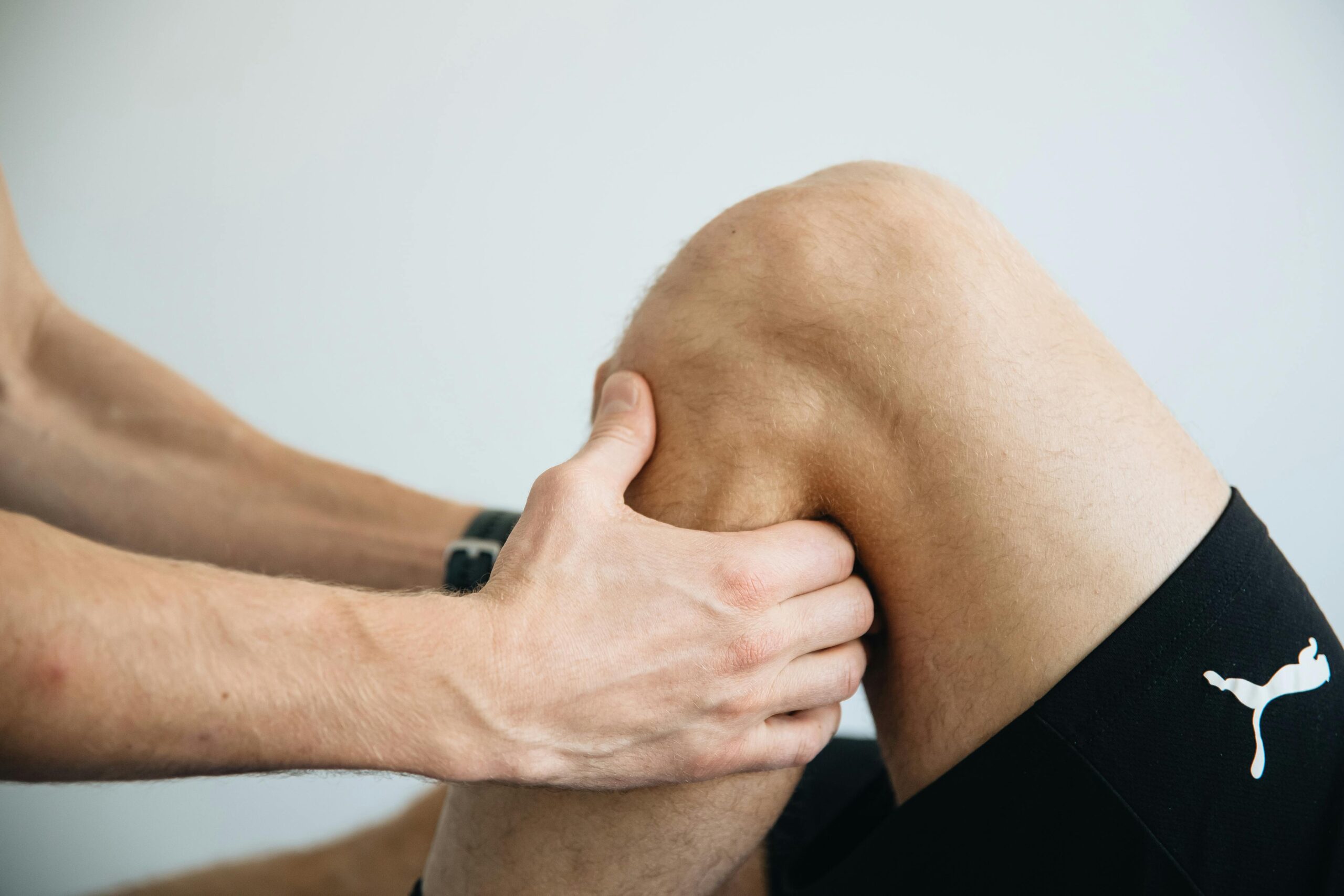
- Manual Therapy: Techniques to address joint stiffness, muscle tightness, and improve mobility in the hip and low back.
- Postural Education: Guidance on improving posture and body mechanics to reduce strain on the knee joint during daily activities.
3. Functional Rehabilitation: Integration of exercises and activities that simulate real-life movements to improve functional abilities and reduce the risk of future knee OA progression.
4. Education and Self-Management: Empowering patients with knowledge on self-management strategies, including home exercises, ergonomic modifications, and lifestyle adaptations to support long-term knee health.
Benefits of a Comprehensive Approach
Improved Pain Management: Addressing contributing factors from the hip and low back can alleviate stress on the knee joint, reducing pain and discomfort.
Enhanced Functional Outcomes: Strengthening and stabilizing the hip and low back can improve overall movement patterns and functional abilities, enhancing quality of life.
Preventive Care: By correcting muscle imbalances and improving biomechanics, a comprehensive approach helps prevent further joint degeneration and future onset of knee OA.
What’s Next?
At Focus Physiotherapy, we are committed to providing comprehensive care for individuals with knee osteoarthritis by addressing the interconnected factors in the hip and low back. Our holistic approach aims to optimize mobility, reduce pain, and improve overall joint health through evidence-based physiotherapy interventions.
By focusing on the knee, hip, and low back as part of a comprehensive treatment approach, we strive to empower our patients to achieve lasting improvements in your health and well-being. Contact us today to start your journey towards better knee health and a more active lifestyle. Give us a shout at 780-388-0378 to learn how we can help you.