

Groin pain is a common issue that can affect people of all ages and activity levels. Whether you’re an athlete pushing your limits or someone who enjoys a regular walk, groin pain can be a major setback. This discomfort can stem from various causes, and understanding the underlying issue is crucial for effective treatment. In this blog post, we’ll delve into the causes of groin pain and how physiotherapy can play a pivotal role in your recovery.
What is Groin Pain?
Groin pain refers to discomfort in the area where the abdomen meets the thigh, commonly affecting the inner thigh and lower abdomen. This region houses several muscles, tendons, and ligaments, all of which can be sources of pain if they become strained, torn, or inflamed.
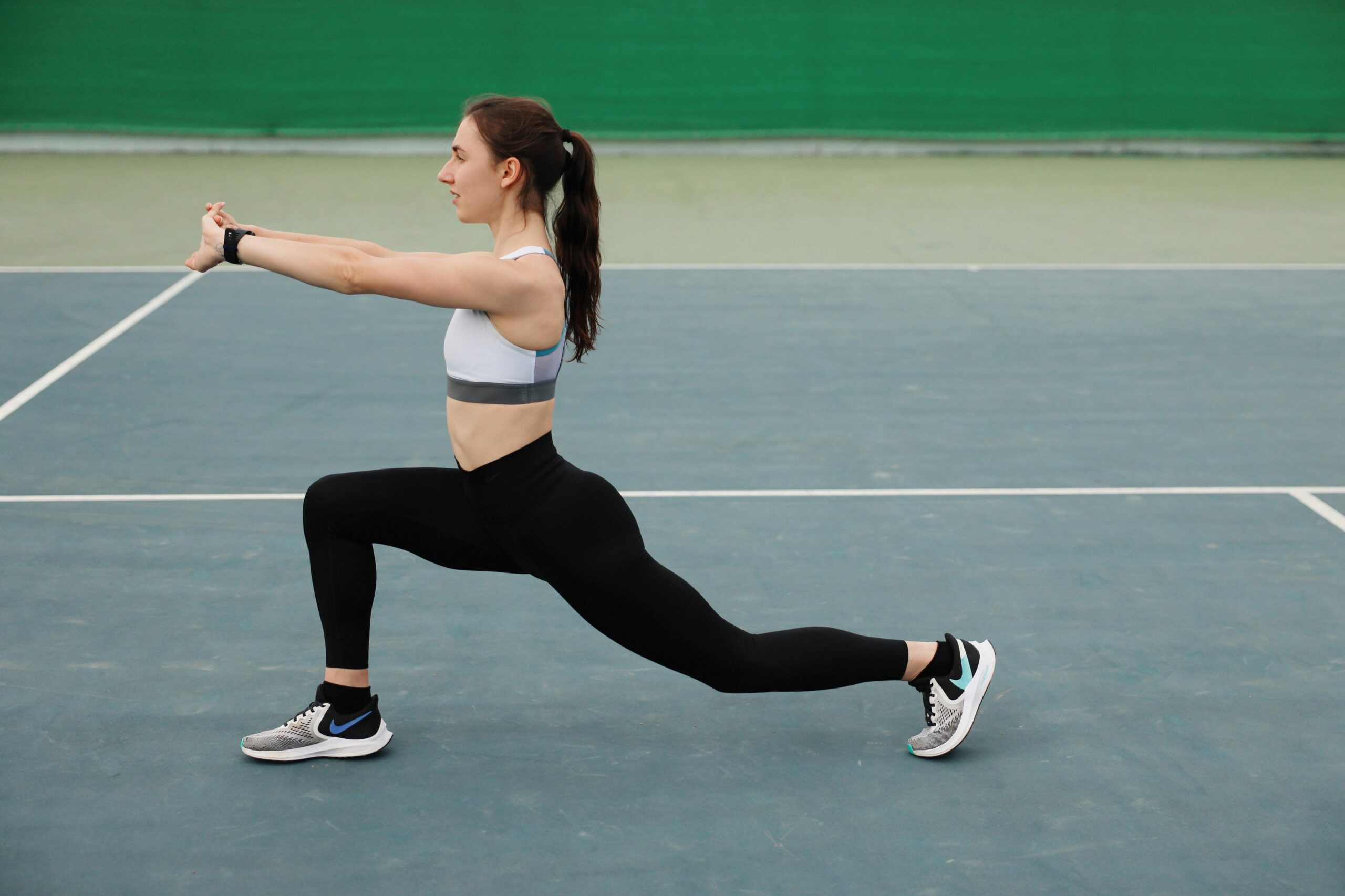
Common Causes of Groin Pain
1. Muscle Strains
-
- Description: A common cause of groin pain, muscle strains occur when the adductor muscles (inner thigh muscles) are stretched or torn. This can happen due to sudden movements or overuse.
- Symptoms: Sharp or dull pain in the inner thigh, often worsened by movement or activity.
2. Sports Hernia (Athletic Pubalgia)
-
- Description: A sports hernia is a tear or weakness in the abdominal wall that may not always present with an obvious bulge but causes significant pain in the groin area.
- Symptoms: Deep, aching pain in the groin, particularly during physical activities or sports.
3. Hip Labral Tear
-
- Description: The labrum is a ring of cartilage around the hip joint that helps stabilize it. A tear in this cartilage can lead to groin pain.
- Symptoms: Pain in the groin, stiffness, and a feeling of weakness or instability in the hip.
4. Inguinal Hernia
-
- Description: An inguinal hernia occurs when part of the intestine pushes through a weak spot in the abdominal wall or inguinal canal.
- Symptoms: A noticeable bulge in the groin area, pain that worsens with activity, and discomfort that may improve with rest.
5. Osteitis Pubis
-
- Description: This condition involves inflammation of the pubic symphysis, the joint where the two halves of the pelvis meet.
- Symptoms: Pain and tenderness in the groin and pelvic area, which can worsen with physical activity.
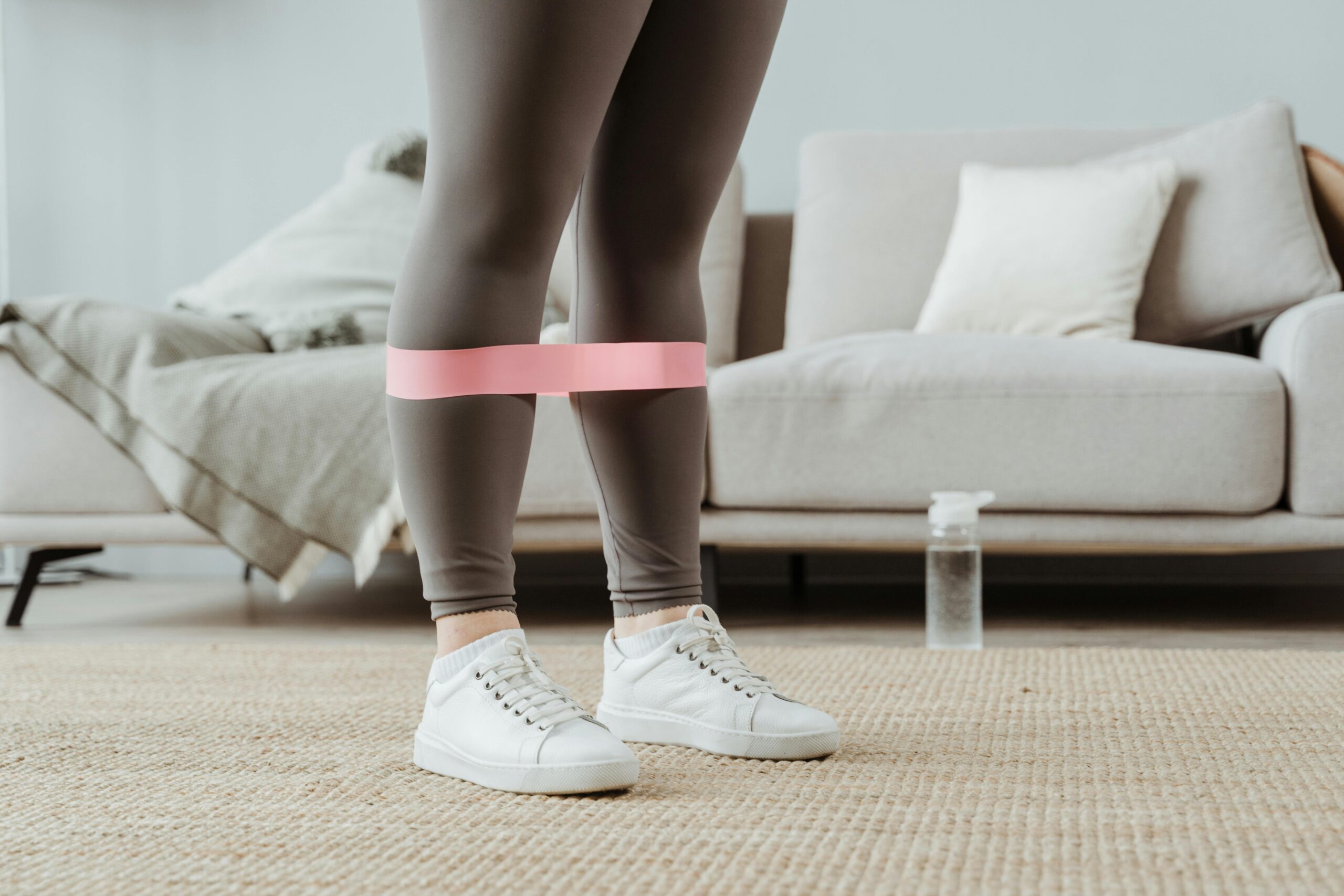
How Physiotherapy Can Help
Physiotherapy is a highly effective treatment for managing and rehabilitating groin pain. Here’s how it can assist in your recovery:
1. Accurate Diagnosis
-
- Assessment: A physiotherapist will conduct a thorough evaluation to determine the specific cause of your groin pain. This assessment often includes a physical examination, review of your activity history, and possibly imaging studies.
2. Pain Relief
-
- Techniques: Physiotherapy uses various techniques to alleviate pain, including manual therapy, ice/heat therapy, and modalities such as ultrasound or electrical stimulation.
3. Rehabilitation Exercises
-
- Strengthening and Stretching: Targeted exercises help strengthen the muscles around the groin and hip to support and stabilize the area. Stretching exercises are also essential to improve flexibility and reduce muscle tension.
4. Improving Function
-
- Movement Patterns: A physiotherapist can address faulty movement patterns and imbalances that may contribute to groin pain. This might involve gait analysis or adjustments to your technique in sports or daily activities.
5. Education and Prevention
-
- Injury Prevention: Physiotherapists provide valuable education on proper warm-up routines, correct exercise techniques, and strategies to prevent future injuries. This education can help you manage your condition and reduce the risk of recurrence.
6. Gradual Return to Activity
-
- Safe Progression: A structured return-to-activity plan ensures that you resume your activities gradually and safely, minimizing the risk of re-injury. This plan will be tailored to your specific needs and goals.
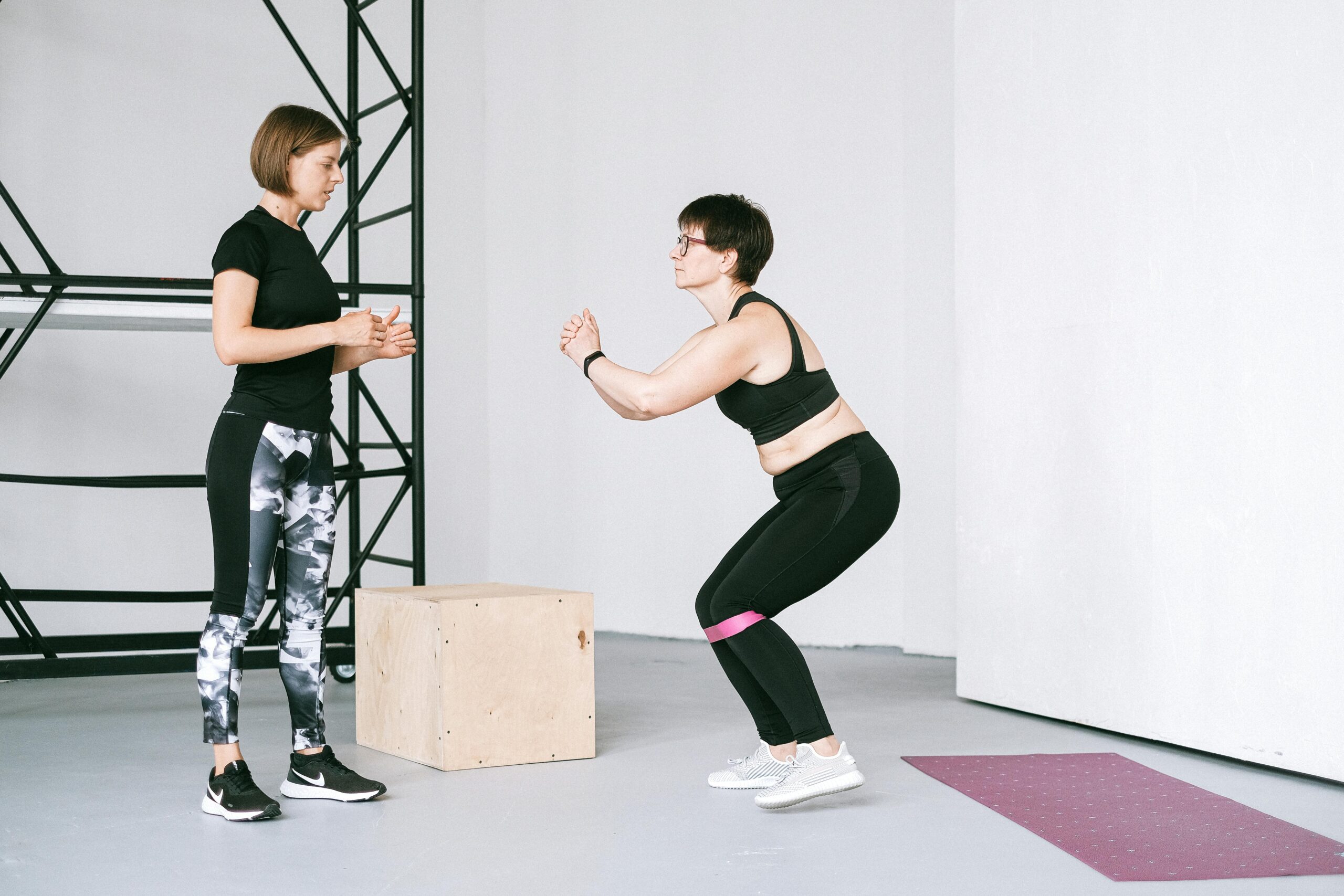
Tips for Managing Groin Pain at Home
1. Rest and Recovery: Allow your body time to heal by avoiding activities that exacerbate the pain.
2. Apply Ice or Heat: Use ice packs to reduce inflammation or heat packs to relax tight muscles, based on what feels most comfortable.
3. Gentle Stretching: Perform gentle stretching exercises as recommended by your physiotherapist to maintain flexibility without overstraining the area.
4. Maintain Good Posture: Proper posture can help reduce strain on the groin area, especially during activities that involve bending or lifting.
What’s Next?
Groin pain can be a challenging and disruptive issue, but with the right approach, you can effectively manage and overcome it. Physiotherapy offers a comprehensive solution for diagnosing, treating, and preventing groin pain, helping you return to your normal activities with confidence.
If you’re experiencing groin pain, don’t hesitate to consult with a physiotherapist to develop a personalized treatment plan and get back on track. Stay active and healthy, and remember, professional help is just a step away!
Feel free to reach out if you have any questions or need further assistance. Our team of physiotherapy experts is here to support you on your journey to recovery.